House Clearance in London
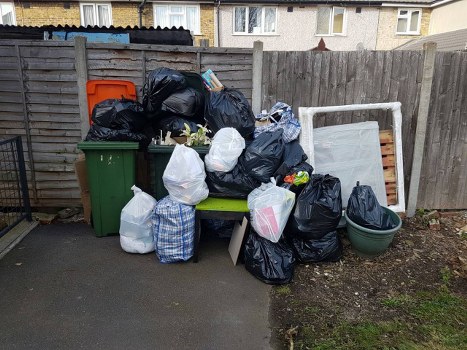
House clearance in London should feel orderly, practical and suited to the property in front of you. We help householders, landlords, executors and letting agents arrange the removal of furniture, general contents and other unwanted items from homes across the city, with a service shaped around the space, access and volume involved. The aim is straightforward: clear the property carefully, separate items sensibly and leave the work handled in a way that is easy to follow.
Our house clearance service covers a wide range of domestic settings, from flats and terraced homes to larger houses with lofts, garages and stored belongings. We work with clear instructions and an organised approach, so the process stays practical whether you need a partial clearance or a fuller emptying of rooms. If you are comparing options, take a little time to review the service pages below and note which type of clearance suits your property. You can then request a quotation when you are ready.
For a simple first step, note which areas of the property need attention and which items are staying. That helps create a clearer scope for a quotation and reduces back-and-forth later. If there are access issues, heavy objects or specific items that need separate handling, include those details too. A short message is often enough to begin, and it gives us the basics needed to plan the work sensibly. Start with the rooms first, then the items if that makes the enquiry easier to organise.
Domestic Clearance Work Across Homes and Flats
House clearance is rarely just about removing visible furniture. Many properties hold mixed contents, with everyday household items, small storage pieces and belongings in cupboards, lofts or basements. A careful clearance service separates what needs to go from what should remain, and that matters when you want to protect fixtures, avoid unnecessary disturbance and keep the process controlled. In practice, this can include single rooms, several rooms or a whole property, depending on the brief.
We also support customers who need a more focused household service rather than a full emptying. That can mean removing a few large items, dealing with accumulated contents after a move, or handling rooms that are no longer in regular use. For sofas, beds and other bulky pieces, our related pages such as furniture clearance and large item collection show the kinds of domestic removals often requested alongside a wider house clearance. The right choice depends on whether you need isolated items taken away or a broader property clearance.
Choosing between partial and full clearance
Partial clearance suits customers who only need selected rooms or items cleared, such as a spare bedroom, box room, hallway cupboard or garage. Full house clearance is more appropriate when a property needs to be emptied from top to bottom, or when the remaining contents are no longer useful to the occupier. The decision often comes down to practicality: what is staying, what is going, and how much of the property requires access on the day.
Rooms, Storage Areas and Detached Contents

Many domestic clearances involve more than the main living areas. Lofts, cellars, sheds, garages and airing cupboards often hold older belongings, seasonal items and mixed storage that need sorting before removal. These spaces can be awkward because of narrow access, low headroom or stacked boxes, so the work benefits from a methodical approach. A clear plan for these areas helps prevent confusion and keeps the clearance efficient.
Where the property includes serviceable goods or items that are not actually household waste, separate removal categories may be useful. For example, a homeowner or landlord might only need a garage emptied, or only wish to remove selected furnishings from a flat after a change in occupancy. Related pages such as garage clearance, loft clearance and flat clearance describe these specific domestic settings and can help when the broader house clearance needs narrowing down.
In practice, the best results come when the rooms and storage areas are identified clearly at the start. A short list of what is to remain, what should be removed and any items that need special care keeps the work focused. If the property has several different storage points, it is worth mentioning them in the first enquiry so the quotation reflects the true scope rather than only the most obvious rooms.
Special Circumstances and Sensitive Clearances
Some house clearance jobs are straightforward; others involve sensitive circumstances or detailed sorting. Probate clearances, for example, may need a careful, measured approach where the contents of a home are being dealt with after a bereavement. The work often requires space to decide what is being retained, what should be removed and whether certain items need to be separated for family members, sale or storage. A calm, structured process is especially helpful in that setting.
Our related service page for probate clearance is relevant where an estate or inherited property needs contents removed with attention to order and discretion. Likewise, probate house clearance is useful when the whole house forms part of the arrangement. These pages sit alongside the main house clearance offering because the practical task is similar, but the circumstances and decision-making can be more involved. Clear instructions at the outset help make the work manageable.
If there are items that should be handled separately, it is sensible to note them before the visit or quotation. This may include documents, valuables, photographs or belongings that require family review before anything is taken away. A brief list is usually enough. It keeps the clearance respectful and ensures the work is based on what you actually want removed rather than on assumptions about the property contents.
Furniture, White Goods and Bulky Household Items

House clearance often includes bulky pieces that are awkward to move through hallways, stairwells or narrow entrances. Sofas, wardrobes, tables, mattresses and white goods all need handling that is careful and planned, especially when there are lifting considerations or tight internal routes. A service built around house clearance should be able to take these items as part of the wider job, rather than leaving you to coordinate separate removals.
Where individual item removal is the main requirement, the more specific service pages can be useful. sofa removal, mattress removal and collection and white goods recycle all point to common domestic items that appear in clearances, while fridge disposal is relevant when appliances need separate attention. These pages help customers identify whether they need a full house clearance or only targeted item removal.
When furniture forms part of a wider clearance, it helps to mention quantity, size and location within the property. A room full of mixed furnishings is very different from a single bulky item in an upper-floor flat. That detail lets the quotation reflect the actual work involved and helps avoid unnecessary surprises on the day. If some items are kept for re-use, say so clearly so the plan can account for them.
Waste, Recycling and Responsible Disposal
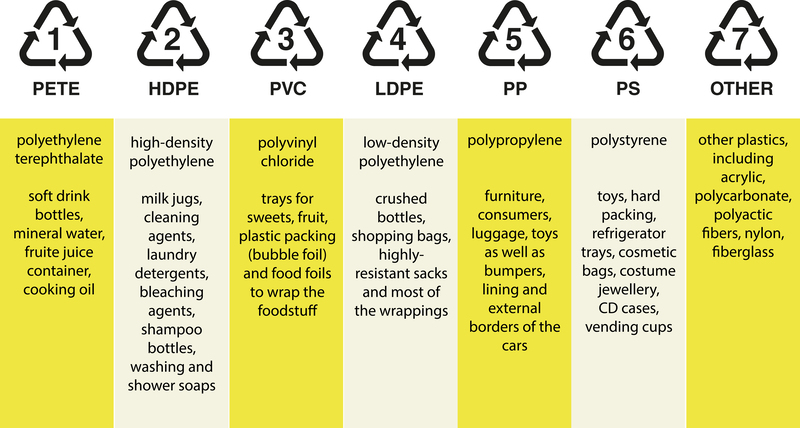
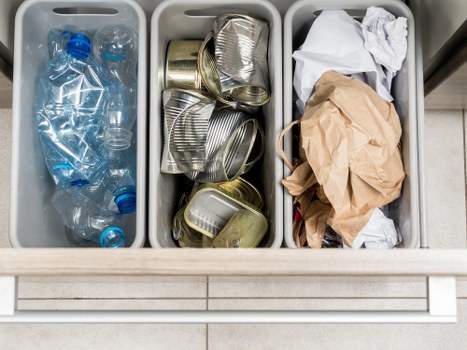
A good clearance service does more than remove unwanted contents. It also needs to separate what can be diverted for reuse, recycling or responsible disposal. Household clearances may contain a mix of furniture, general rubbish, metal items, wood, electricals and bagged waste, so the end process is not always uniform. Sorting these streams properly is part of making the job sensible and controlled, especially when there is a large volume of mixed contents.
For customers who want to understand the wider disposal side, useful related pages include waste collection, waste disposal and recycling and sustainability. They sit naturally beside house clearance because many domestic jobs produce material that cannot simply be treated as one type of load. Where items are reusable, recyclable or require separate disposal, the right route should be chosen according to the contents rather than guessed in advance.
The practical benefit of separating materials is that it keeps the clearance clearer for the customer and more orderly for the property. It also supports better planning if the job includes a mixture of furnishings and general waste. If you are asking for a quotation, it is worth describing the balance of the load: mostly furniture, mostly rubbish, or a blend of both. That single detail can make the estimate much more accurate.
Commercial and Managed Property Clearances
Although the main focus here is domestic house clearance, there are times when the same practical approach is needed in managed or business settings. Offices, rented premises and mixed-use properties may require contents to be removed before re-letting, refurbishment or handover. The principles are similar: identify the items, protect the property, remove what is agreed and leave the space ready for the next stage of use.
For those situations, the website also provides office clearance, commercial waste collection and business waste removal. These are not substitutes for domestic house clearance, but they are useful if the work involves desks, chairs, filing, stock or other non-domestic contents. It is helpful to choose the page that best matches the property type and the material being removed, rather than assuming every clearance is the same.
Where a property has both domestic and non-domestic elements, the work may need to be described in stages. For instance, a home office, a workshop room or a rented flat with stored business items can involve mixed contents. A careful quotation should distinguish between those categories so the clearances can be arranged in the right order and without unnecessary duplication of effort.
What to Include When You Request a Quotation
A concise enquiry makes it easier to provide a sensible quotation for house clearance in London. The most useful details are usually the property type, the number of rooms or areas affected, the kind of items present and any access issues such as stairs, narrow entrances or parking limits. If there are bulky pieces, heavy loads or storage spaces like lofts or garages, that should be mentioned at the same time so the scope is clear from the outset.
When the job includes several different types of contents, a short inventory can be more helpful than a general description. You do not need to write a full catalogue, but naming the main pieces or room types helps. If you are unsure how to word it, something like “two bedrooms, hallway storage, one wardrobe, sofa and mixed household contents†is often enough to begin. The clearer the description, the better the quotation basis.
For a simple next step, you can browse pricing and quotes if you want to understand how enquiries are handled, or use the contact route when you are ready to move forward. A short message with the property details, the items to be removed and your preferred timing is usually enough to start. Ask for a quotation today if you want the clearance planned around your property rather than around a generic estimate.
About London
London is the capital of England and the United Kingdom, a large and historically layered city shaped by the River Thames, centuries of expansion and a remarkable variety of districts. Its core grew from the original settlement around the Roman city of Londinium, while later periods added medieval streets, Georgian squares, Victorian infrastructure and extensive twentieth-century rebuilding. The city is now made up of the City of London and 32 boroughs, each with its own civic character, yet all connected by transport, commerce and culture. Landmarks such as the Tower of London, Westminster Abbey, St Paul’s Cathedral and the Palace of Westminster sit alongside newer additions including the Shard and the Tate Modern, showing how old and new repeatedly share the same urban stage. The Thames remains a defining feature, crossed by a sequence of bridges and edged by paths, embankments and piers that have long supported movement through the city. London’s parks, including Hyde Park, Regent’s Park and Hampstead Heath, provide large open spaces within the built environment, while neighbourhoods such as Camden, Soho, Shoreditch and Greenwich each carry distinct identities. Museums, theatres, music venues, markets and galleries give the city a broad cultural life, and its architectural mix ranges from terrace housing and council estates to financial towers and conservation areas. Transport has also shaped London’s development: the Underground, rail termini, buses and river services all contribute to a geography where people often move between boroughs and central districts within a single day. The result is a capital that is both highly familiar and constantly changing, with local histories that can still be read in streets, parks, churches, market halls and waterfronts.
Clearance Choices for Different Property Types

Not every house clearance looks the same, because different properties create different practical demands. A top-floor flat may need careful stairway access and staged carrying, while a family house may involve several rooms, loft storage and outbuildings. A probate property may need sorting and separation before removal begins. The right choice depends on how the property is used, how much needs to be cleared and whether the contents are mixed, bulky or sensitive.
That is why the site includes related pages for distinct property types and situations, such as house clearance, home clearance, property clearance and rubbish clearance. Each of these can be relevant depending on whether you are clearing a lived-in home, a vacant property or a space that contains mainly unwanted waste. Choosing the closest fit helps make the enquiry more precise.
If you are unsure which page best matches your needs, start with the property itself and the contents inside it. A short description of the rooms, the items and the access is usually enough to guide the next step. From there, the service can be framed properly, the scope can be kept realistic and the quotation request becomes much easier to handle. Get in touch when you are ready for a quote.